Accelerate the SDLC
From requirement to deployment — faster cycles through AI-assisted design, coding and testing.
Domain · AI
In an era of digital transformation and surging demand for software, Blameo provides a comprehensive AI solution suite — engineered to accelerate the SDLC, reduce OpEx, elevate deliverable quality, and optimise development resources. Below: seven production case studies across code intelligence, conversational AI, vision and operations.
What our AI suite delivers
From requirement to deployment — faster cycles through AI-assisted design, coding and testing.
Automate repetitive operational and maintenance work — freeing senior talent for strategic outcomes.
AI-augmented testing, code review and documentation lift the floor and ceiling of every release.
Right-size engineering teams by augmenting them with AI agents that handle scaffolding, refactoring and ops.
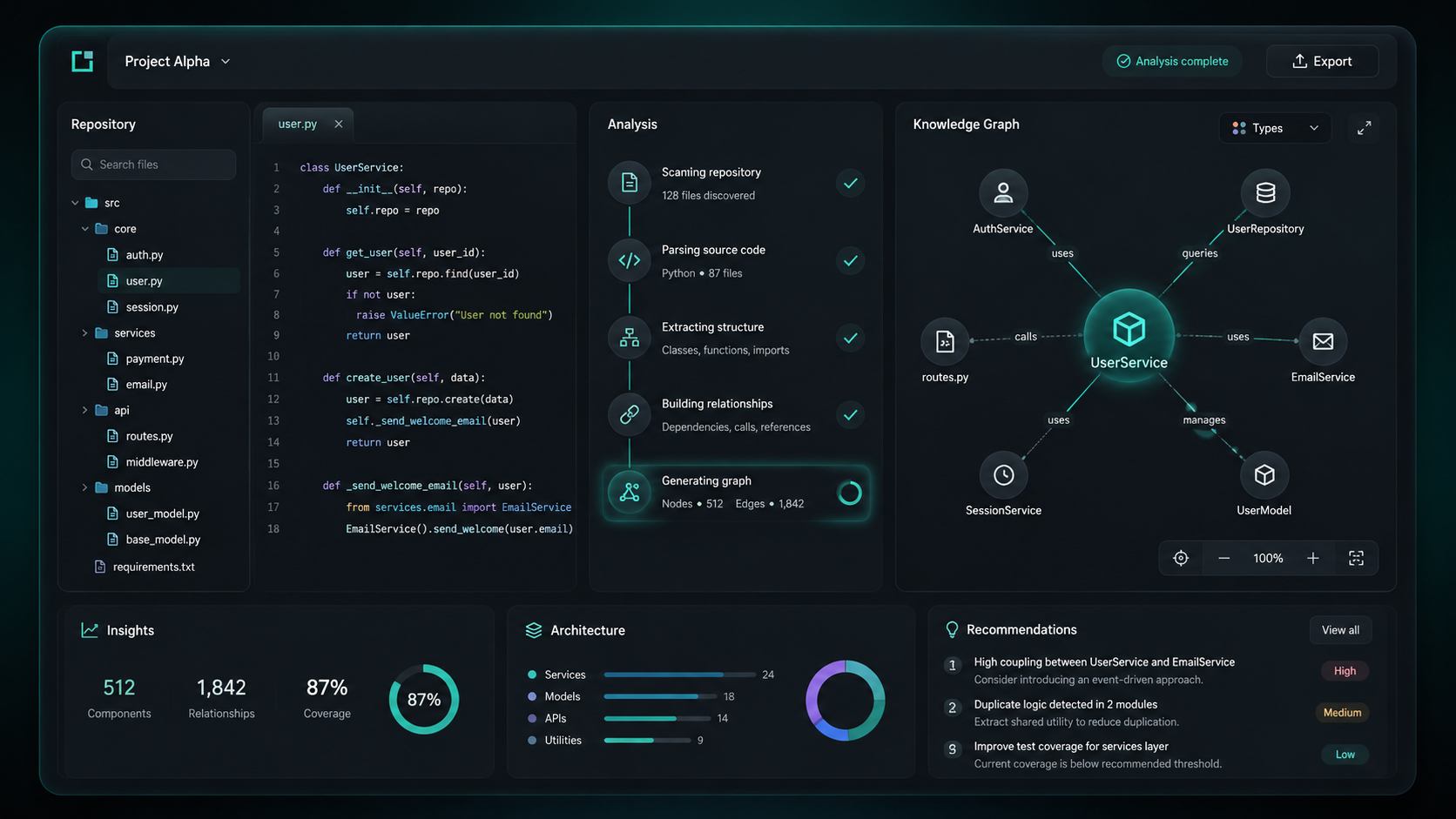
Case study · 01
This platform transforms software codebases into structured Knowledge Graphs enriched with use-case-specific metadata, helping engineering teams better understand system architecture, dependencies, and optimization opportunities.
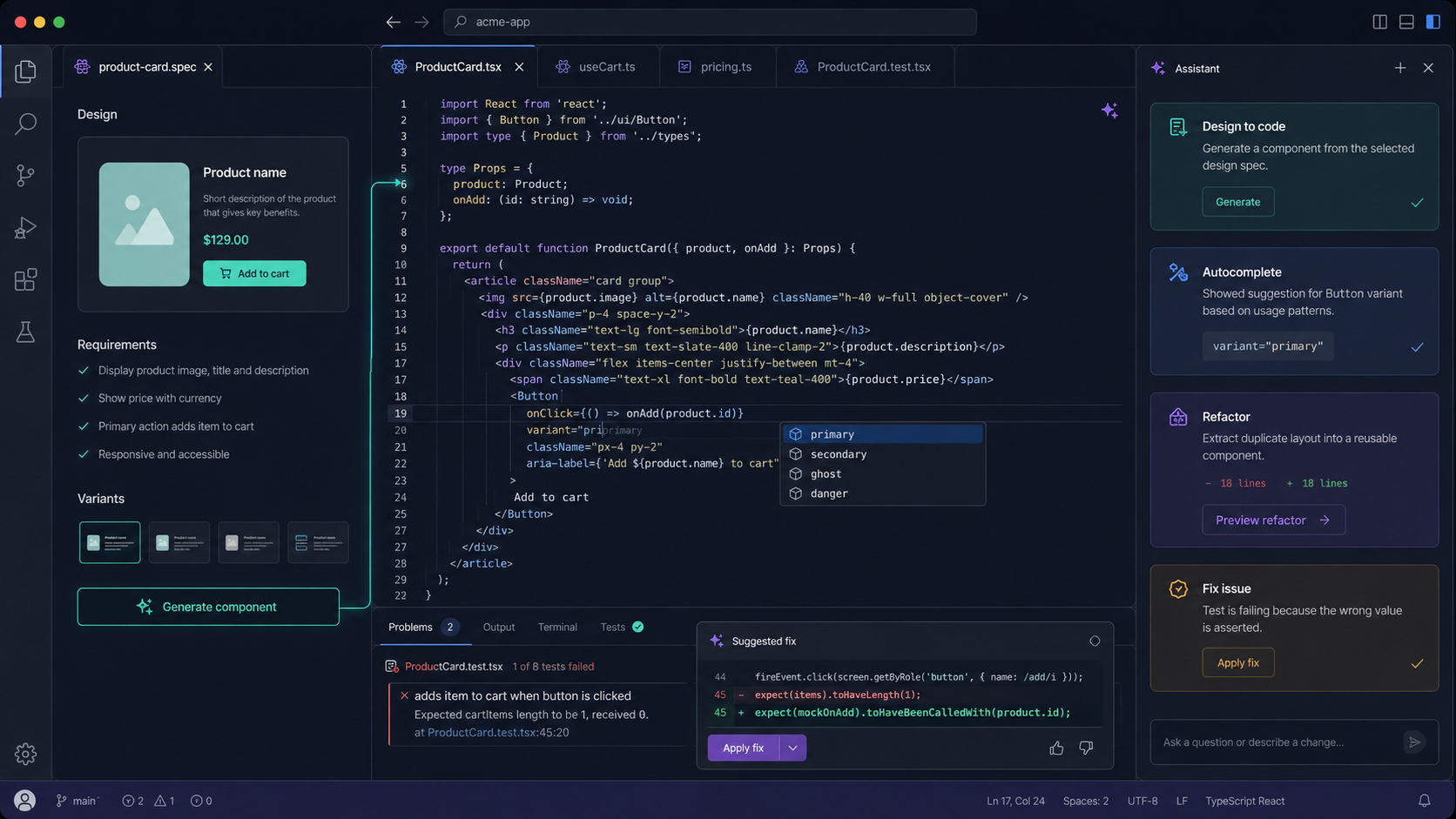
Case study · 02
This solution supports and automates daily coding workflows directly within the IDE, while keeping engineers in full control of the development process.
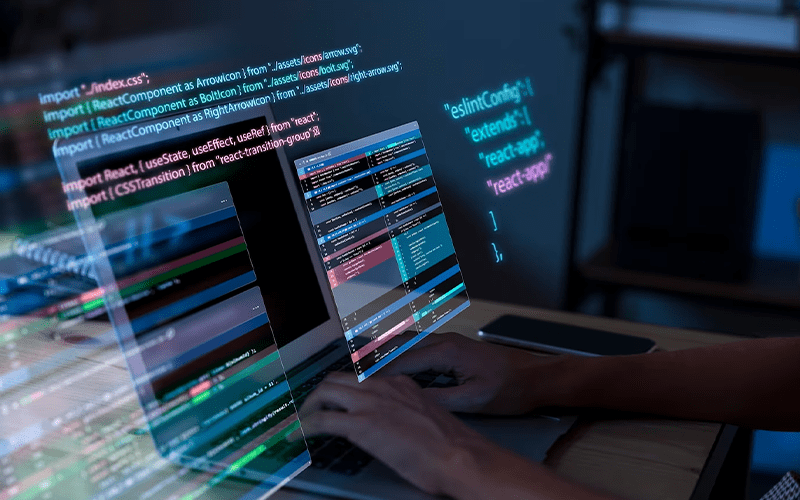
Case study · 03
Our Platform Transformation solution uses AI to optimise and accelerate migration across languages, platforms/OS, and software architectures.
From: COBOL, VB6/VB.NET, Delphi, C/C++ (legacy), Windows Desktop, Mainframe, on-premise, monolithic, client-server, layered systems.
To: Java/Kotlin, Python, Go/Rust, TypeScript, Android, iOS, Cloud Native, microservices, event-driven, clean/hexagonal architecture.
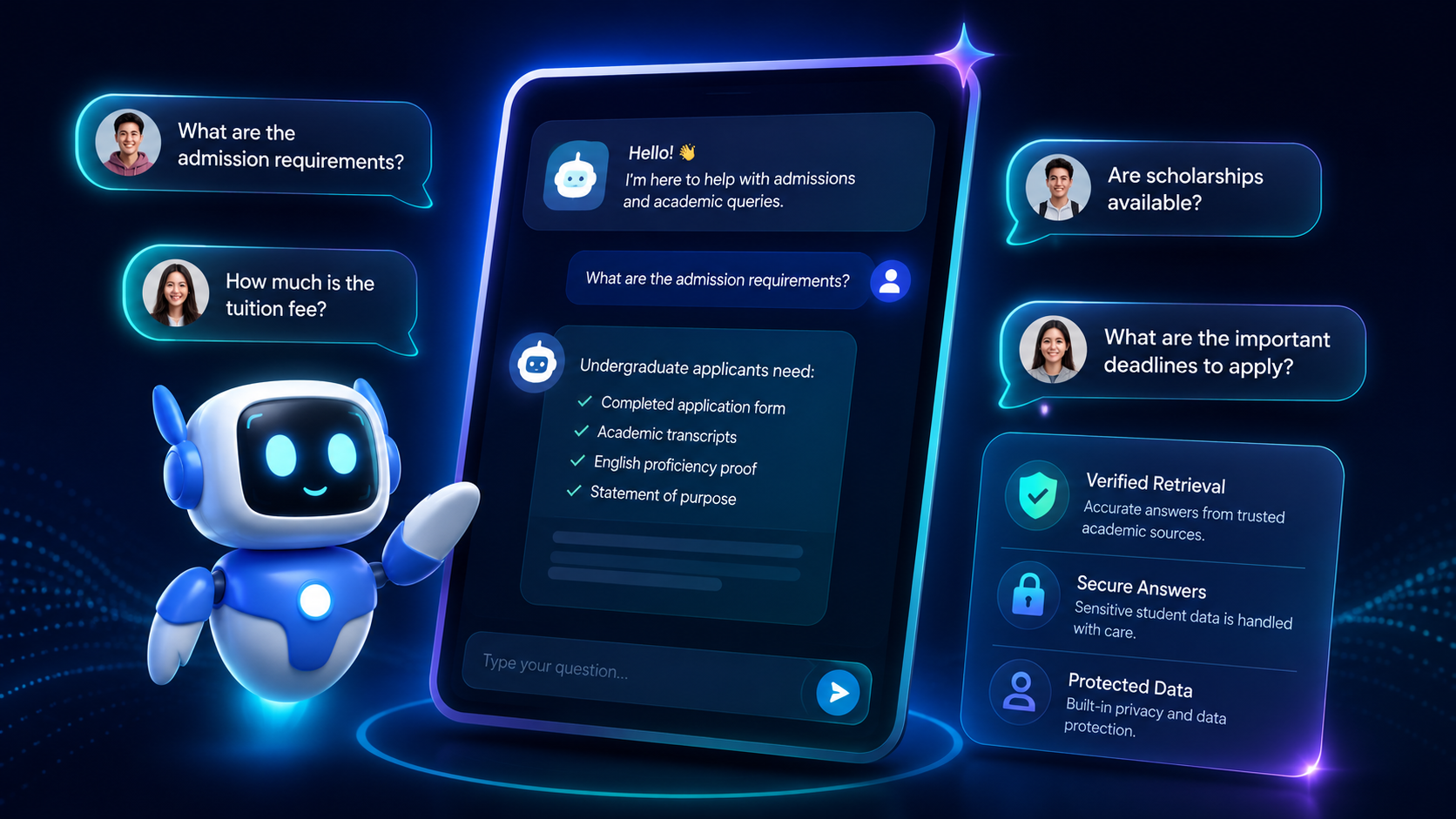
Case study · 04
Universities often handle large volumes of admissions and academic inquiries each enrollment cycle. This solution provides an AI-powered conversational assistant that enables accurate, secure, and real-time information retrieval through a more interactive interface than traditional search.
Case study · 05
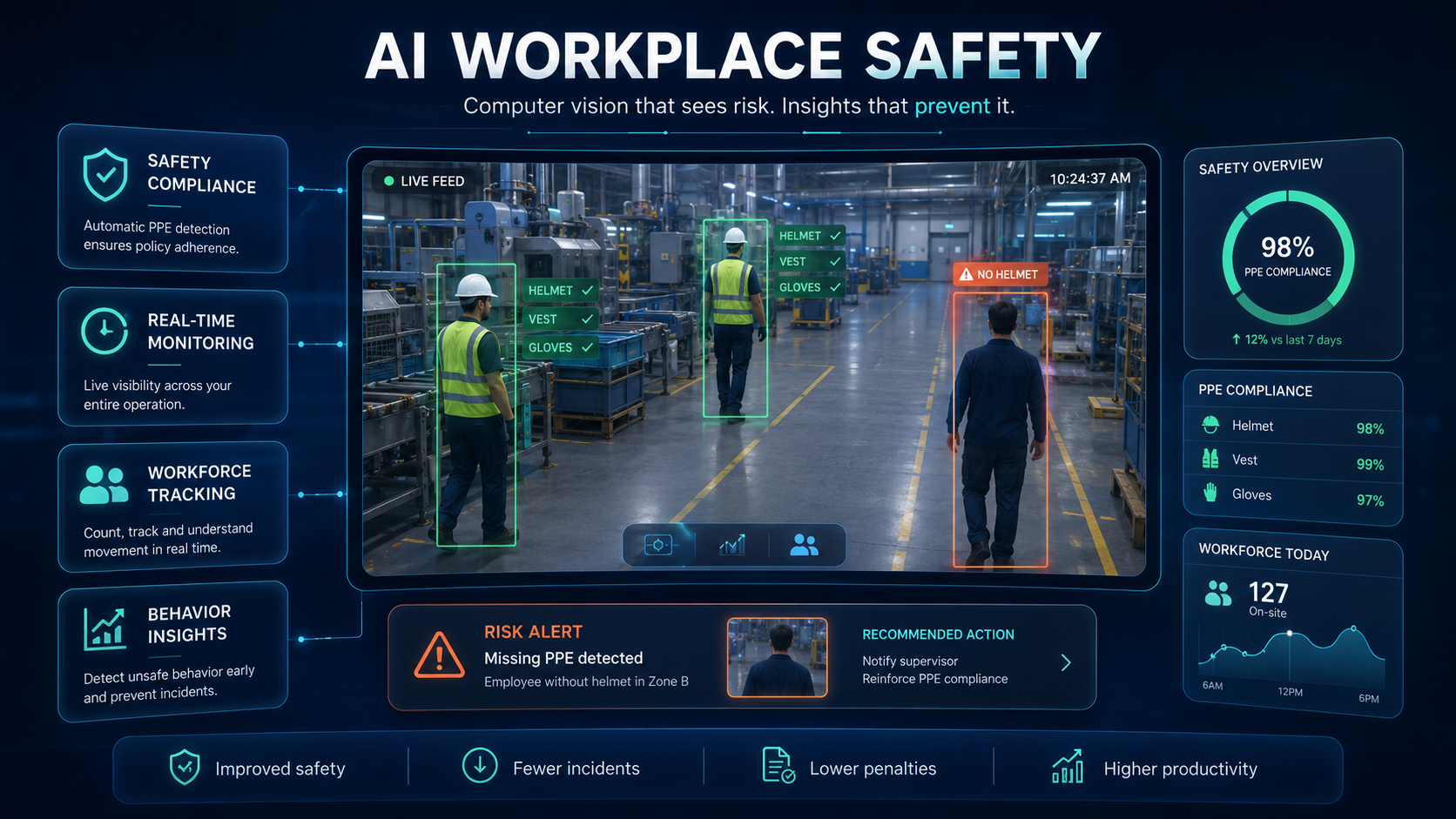
Modern workplaces increasingly rely on automation and human-machine collaboration, creating a growing need for scalable safety supervision beyond manual oversight. This solution uses computer vision to monitor workplace environments, detect risks, and support proactive safety management.
The solution helps improve workplace safety, reduce compliance risks, and ensure adherence to safety protocols without requiring a permanent increase in supervisory staff.
Case study · 06
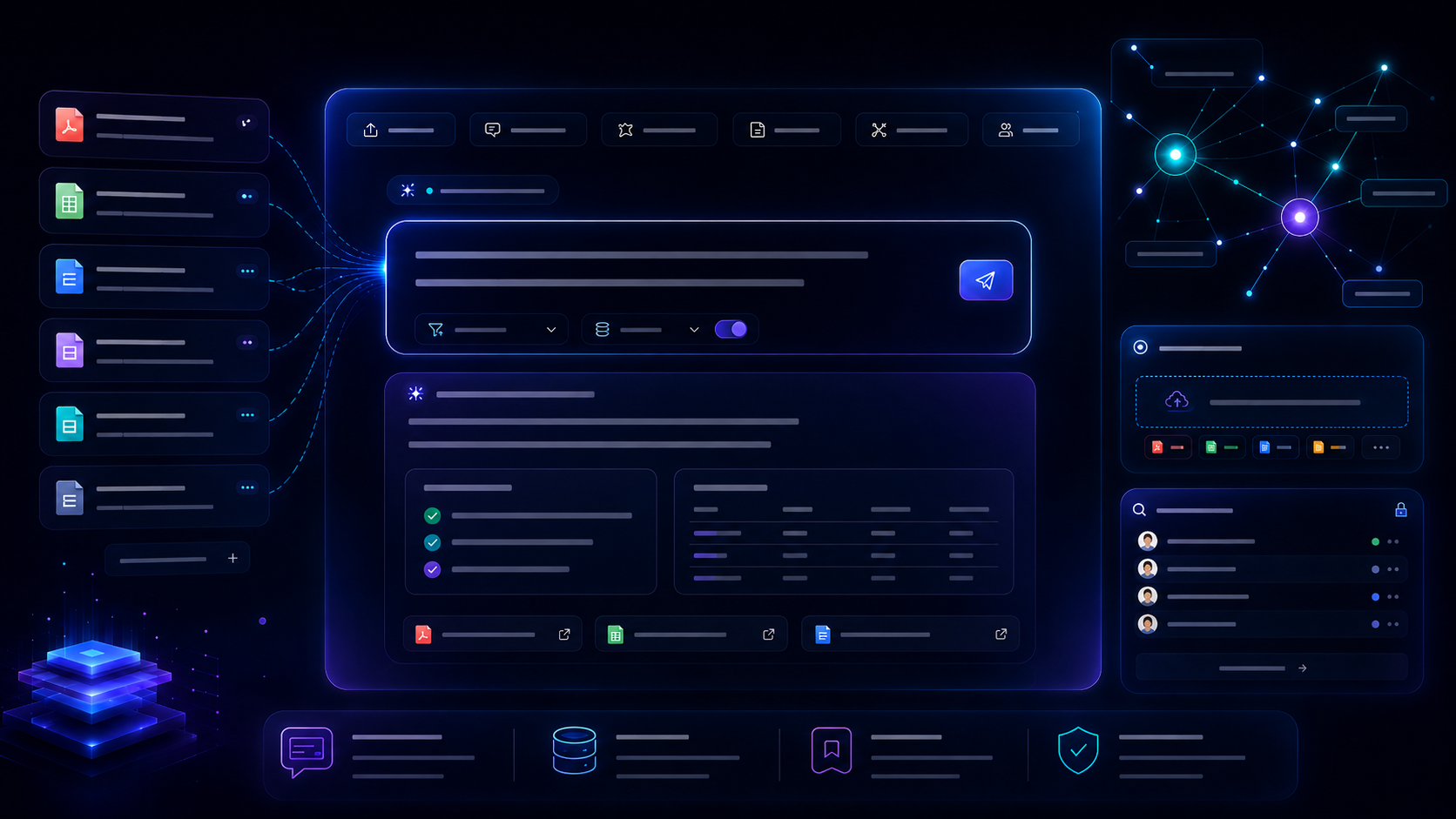
Traditional internal search often struggles to retrieve accurate insights across documents, spreadsheets, and PDFs. This solution approaches enterprise search as a knowledge graph problem, enabling AI-powered retrieval grounded in an organization's own data rather than public internet sources.
Case study · 07
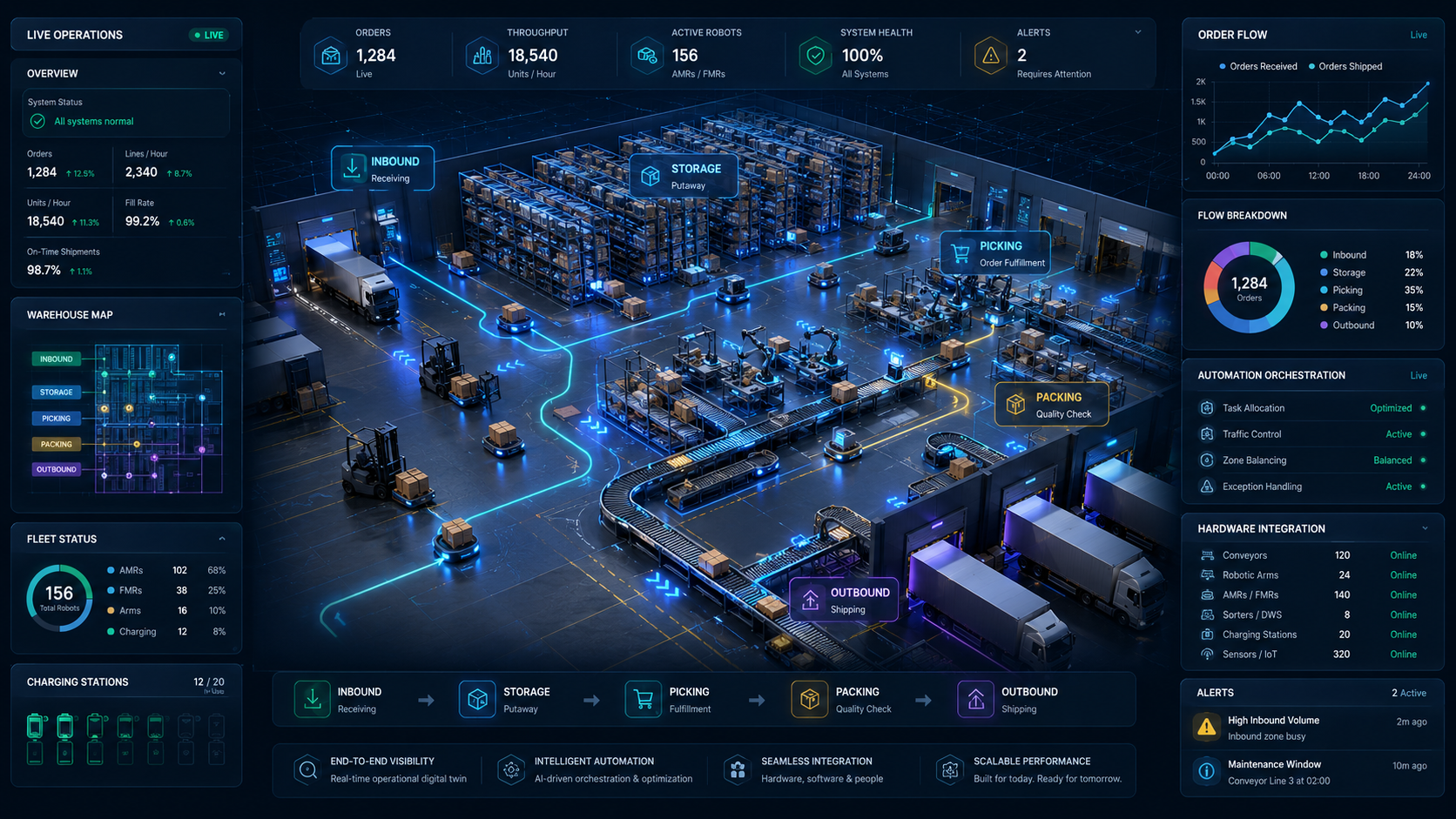
Modern warehouses often operate across diverse hardware, software, and human workflows. This solution unifies these components into a single intelligent operational system, enabling greater automation, visibility, and efficiency across warehouse operations.
Example deployment: a 1,944 m² warehouse with 10,644 storage positions, 20 CTUs, and 5 charging stations. The system supports LCL shipment handling at 100 boxes/hour per station, inbound processing at 50 picks/hour across four stations, and outbound processing at 100 picks/hour across three stations.
From a single AI feature to a multi-system platform, we'll bring the engineering rigour that lets AI projects survive production.